
National Traffic Awareness Month - August - A Back-to-School Reminder
As summer winds down and students return to classrooms, daily travel routines shift dramatically. Roads become busier, school zones fill with families, and morning and afternoon commutes often feel more hectic. National Traffic Awareness Month each August is an ideal reminder that simple adjustments in how we drive can make a meaningful impact on community safety. For families and drivers across Wytheville, VA and Burlington, NC, being proactive helps protect everyone during this high-traffic time of year.
The start of a new school year brings more pedestrians, cyclists, school buses, and teen drivers onto the roads. With so many changes happening at once, staying alert and practicing extra caution becomes essential. At Lester Insurance Group, Inc., we care deeply about safety in the communities we serve, and understanding these seasonal shifts can help reduce risks for everyone.
Why Back-to-School Season Calls for Added Awareness
When school is in session, the volume and variety of road activity increases significantly. Streets that were fairly quiet during the summer quickly become crowded with children walking, families dropping off students, and buses following their daily routes. These changes heighten the chance of accidents—especially during peak drop-off and pick-up hours.
Drivers may experience more frequent stops, unpredictable crossings, and bottlenecks around school entrances. Children, especially younger ones, may not always recognize unsafe situations or anticipate drivers’ actions. Acknowledging these shifts helps drivers prepare and adjust their habits for safer travel.
Staying Smart Around School Buses
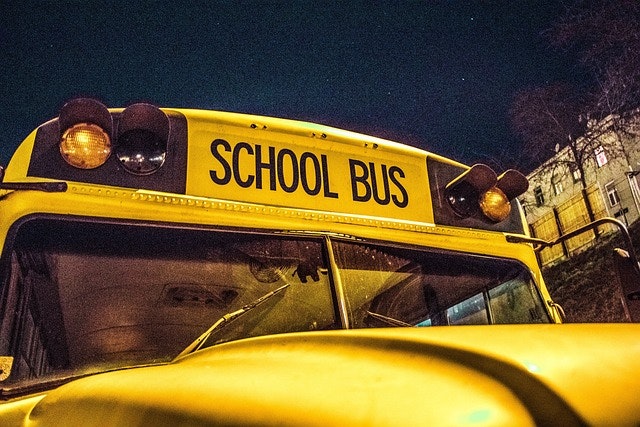
School buses are one of the safest transportation options for students, but they require careful attention from other drivers. One of the most important rules is giving buses enough space, particularly since the area within 10 feet in front of and behind a bus is the most hazardous for children entering or exiting.
By keeping a safe distance, drivers gain more time to react when a bus slows or stops. Children may cross the street suddenly or appear from blind spots, so patience and attentiveness are essential. Slowing down and preparing to stop when a bus extends its signals is a simple step that can prevent serious accidents.
Sharing Roads With Pedestrians and Young Cyclists
As more kids walk or bike to school, drivers must be mindful of their surroundings. Always yield at crosswalks and never try to go around another vehicle that has stopped for someone crossing. This rule reduces dangers for pedestrians who may be harder to see.
Young cyclists can be unpredictable—they may ride out from driveways or emerge from behind parked vehicles with little warning. Drivers should reduce speed in neighborhoods, watch for bikes near schools, and stay alert during early morning and afternoon hours.
Even small actions—such as checking for passing cyclists before opening a car door—can prevent injuries. These everyday moments of awareness contribute to safer roads for everyone.
How to Navigate Drop-Off and Pick-Up Zones Safely
School drop-off and pick-up areas can be some of the most hectic spots during the school year. Following established school procedures is one of the best ways to keep these busy zones orderly and safe.
Consistency helps reduce confusion. When drivers follow the expected patterns, traffic flows more smoothly and unpredictability decreases. Avoid actions like stopping in no-parking areas, cutting in line, or making sudden changes to traffic flow—all of which increase the risk of collisions.
Parents and caregivers play an important role in keeping these areas safe. Taking a bit more time to follow the correct process helps ensure a safer environment for all families.
Teaching Children the Basics of Road Safety
While drivers carry much of the responsibility, teaching children proper safety habits is equally important. Kids younger than 10 should never approach or cross roads alone, as they often lack the awareness needed to judge traffic accurately.
Some foundational safety habits include:
- Stopping and checking both directions for traffic before crossing.
- Using marked crosswalks for better visibility and safety.
- Wearing helmets and protective gear when riding bikes, scooters, or skateboards.
- Avoiding distractions such as phones while near roads or crossing streets.
These habits not only help keep children safe now but also shape responsible behaviors as they grow into independent road users.
Building a Community Approach to Safer Roads
Road safety during the school year relies on shared effort—from drivers, families, and students alike. Staying attentive, following posted signs, and respecting school zone rules all contribute to preventing accidents. Even small, thoughtful actions such as slowing down or double-checking crosswalks can make a significant difference.
These collective choices show our commitment to protecting the most vulnerable members of our community. As daily routines shift with the return to school, staying mindful helps reduce unnecessary risks.
Preparing for a Safe School Year
The busy start of school doesn't have to mean an increase in danger on the roads. With a little extra caution and awareness, families and drivers can navigate this season safely. Understanding common risks and making intentional choices behind the wheel go a long way toward protecting our communities in Wytheville and Burlington.
For families looking to better understand their personal or business insurance needs—whether auto insurance Wytheville, homeowners insurance Burlington NC, renters insurance, umbrella insurance, or commercial coverages—our team at Lester Insurance Group is here to help. We’re an independent insurance agency dedicated to personalized support and clear guidance.
If you have questions about liability, coverage options, or how to protect your family throughout the school year, reach out to us anytime. We’re here to help you stay informed and confident on the road.