
A Fresh Look at Summer Toy Insurance: Protecting Your Boats, RVs, Motorcycles, and ATVs
Summer has a way of sneaking up on us. One moment you’re casually planning a weekend getaway, and the next you’re fueling up, loading gear, and heading out for sunshine-filled adventures. Whether your warm‑weather fun involves a boat, RV, motorcycle, ATV, or another recreational vehicle, these “summer toys” bring excitement—and unique risks. Many people assume their homeowners or auto insurance automatically provides full protection, but in most cases, specialized coverage is necessary.
Before your plans kick into high gear, it’s worth taking time to review your insurance. A quick check-in now can prevent costly surprises later. Below is a breakdown of how insurance typically applies to popular summer vehicles, why dedicated policies matter, and the kinds of protection you should consider.
Why Recreational Vehicles Need Their Own Coverage
Unlike your daily car or home, recreational vehicles operate in environments that expose them to very different hazards. Theft, collisions, severe weather, off‑road damage, and liability issues are all more likely with these types of vehicles. Traditional insurance policies often exclude these risks—leaving major gaps in protection.
This is why specialized insurance exists. Recreational vehicle insurance, watercraft insurance, motorcycle insurance coverage, and off-road vehicle insurance are designed to account for the way these vehicles are used, stored, and transported. Skipping proper insurance doesn’t just increase financial exposure—it can also create legal challenges, depending on the state and vehicle type.
Boat Insurance: Protection on the Water and at the Marina
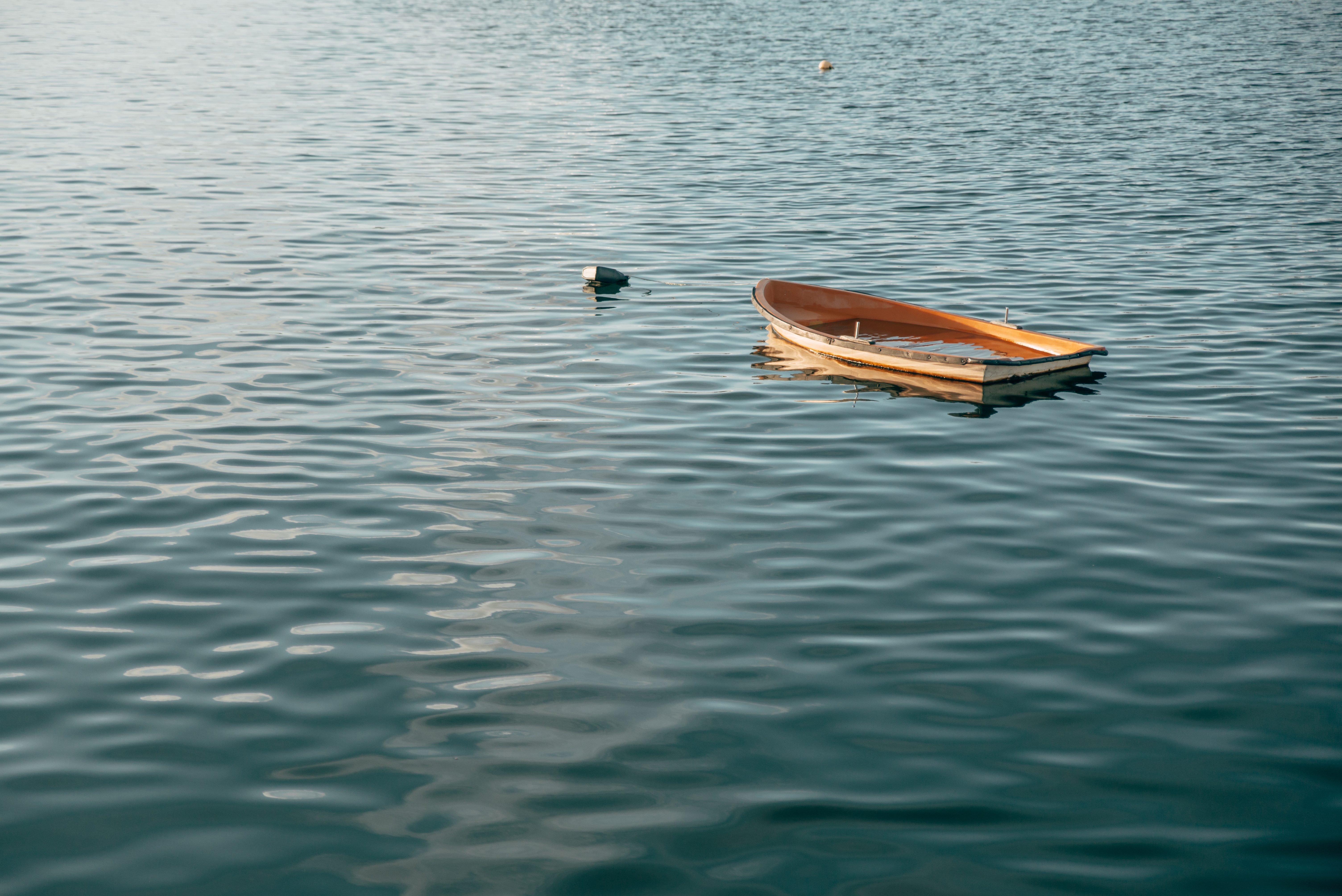
Boat insurance works much like an auto policy, offering both coverage for physical damage and liability protection. Physical damage coverage helps repair or replace your boat if it’s affected by storms, theft, vandalism, or dock accidents. Many policies also include medical payments coverage to help with injuries sustained by you or your passengers.
Liability protection is vital when you’re operating around other boaters, swimmers, or private docks. Many insurers also offer uninsured or underinsured boater coverage, an important safeguard in areas where many people operate without proper insurance.
You can also tailor your policy with optional add-ons like towing, emergency assistance, fishing equipment protection, or trailer coverage. Insurers may ask for details such as boat length, engine type, storage method, and your boating experience to determine your rate.
Keep an eye out for exclusions: normal wear and tear, lack of maintenance, and corrosion are usually not covered. Policies may also specify geographical limits, seasonal restrictions, or storage requirements.
RV Insurance: Designed for Travel, Camping, and Long-Term Use
Both motorhomes and travel trailers benefit from RV insurance that protects against theft, accidents, weather, fire, and liability. For motorhomes, states typically require liability insurance. Comprehensive and collision coverage—while optional—are often essential, especially for financed vehicles.
RV insurance policies can also cover roadside assistance, personal belongings inside the RV, emergency expense benefits, and uninsured/underinsured motorist protection. Some plans even include limited coverage for pets traveling with you.
Travel trailers follow different rules because they are towed rather than driven. Trailer coverage is usually optional, and liability often extends from the towing vehicle. However, many trailer policies exclude liability during towing, making vacation liability insurance a smart addition for campground stays.
Exclusions often include mold, rot, and standard wear and tear—important to keep in mind if you store your RV long-term or in humid conditions.
Motorcycle Insurance: A Non-Negotiable for Riders
Whether you ride a motorcycle, scooter, or moped, state law typically requires you to carry motorcycle liability insurance. Going without it can result in fines, license suspension, or legal consequences.
In addition to required liability protection, riders often add comprehensive and collision coverage—especially if the bike is financed. These options help protect you from theft, accidents, vandalism, and weather‑related damage. Insurers base rates on factors like your riding history, bike type, location, age, and chosen coverage amounts.
No matter what or where you ride, motorcycle insurance coverage ensures you’re financially protected if the unexpected happens.
ATV Insurance: Coverage Many Owners Don’t Realize They Need
ATVs and UTVs are among the most commonly overlooked vehicles when it comes to insurance. Many owners assume their homeowners policy provides adequate protection—but coverage is usually extremely limited and often applies only when the ATV is used on the owner’s property.
A dedicated ATV insurance policy typically includes liability, collision, comprehensive, uninsured/underinsured motorist coverage, and medical payments. Collision pays for damage caused by crashes, while comprehensive covers non‑collision events like fire, theft, or vandalism. Some policies extend to permanently attached accessories—useful for upgraded tires, racks, or lights.
Medical payments coverage helps pay for injuries no matter who caused the accident, which is especially important for off-road riding. If you transport your ATV on a trailer, confirm how your policy handles transit-related damage, since some insurers require separate trailer insurance.
A Little Preparation Goes a Long Way
Ignoring the insurance needs of your summer toys may lead to costly and unexpected problems—financial, legal, or both. A brief review of your summer insurance coverage now can help ensure your adventures stay focused on fun, freedom, and safety.
If you’re unsure whether your boats, RVs, motorcycles, or ATVs have the right protection in place, feel free to reach out. Our team is here to help you enjoy a carefree, adventure-packed summer with confidence and peace of mind.